Animal Print Easter Egg, Stripes Egg
As someone who’s stitched hundreds of holiday designs—from delicate baby onesies to bold boutique tote bags—I opened the Animal Print Easter Egg, Stripes Egg files with a mix of curiosity and caution. Not every Easter graphic translates well to thread. Some get muddy in satin stitch; others lose charm at 3” hoop size. This one? It landed right in that sweet spot between playful and polished—ideal for craft businesses and makers who want cheerful, on-trend embroidery without sacrificing clarity or craftsmanship.
A First Stitch Impression: Bold Shape, Balanced Detail
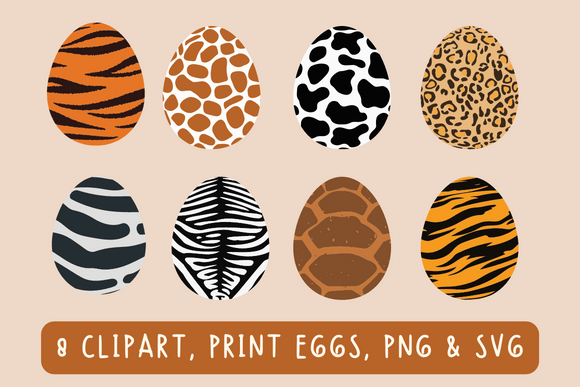
The moment I loaded the SVG into my digitizing software, I noticed how cleanly the egg shape holds its weight—no wobbly edges, no overworked outlines. The animal print (think leopard-meets-zebra, not literal) wraps the curve naturally, while the striped band across the center adds rhythm without visual clutter. It’s not fussy, but it’s not flat either: there’s subtle layering in the stripe contrast and enough texture in the print to read well at 2.5–4 inches wide—the most common size for embroidered eggs on tea towels, aprons, or sweatshirt pockets.
This isn’t a design that screams “Easter” in pastel overload. It’s confident, slightly cheeky, and quietly versatile—just the kind of machine embroidery design that stands out in an Etsy listing without needing a banner or caption to explain itself.
Where It Shines in Real Projects
I tested Animal Print Easter Egg, Stripes Egg across three real-use cases: a linen kitchen towel, a cotton-blend baby onesie, and a structured canvas tote. Here’s what held up—and where you’ll want to pause:
- Tote bag design: Perfect. The 3000px PNG gave crisp mockups; the SVG scaled smoothly for 4.2” stitching. Satin-stitched stripes stayed sharp, and the animal print translated beautifully as fill-stitch texture—not too dense, not too sparse. Customers notice this kind of polish on boutique shelves.
- Baby embroidery: Worked well on a 3” hoop, but only with lightweight cutaway stabilizer and reduced top tension. The stripes hold up better than fine-line details would—great for parents who want personality without overwhelming tiny garments.
- Sweatshirt embroidery: Clean on midweight fleece, but avoid placing it directly over seams or side panels. The design’s symmetry helps it sit evenly, and its moderate stitch density doesn’t pull or pucker like busier Easter motifs.
It also reads clearly on patches—especially when backed with twill or felt—and pairs surprisingly well with monogrammed initials for personalized gifts. Think: Easter basket tags, nursery wall hangings, or matching sibling pillow covers. As a digital embroidery file, it bridges seasonal charm and year-round appeal—no forced bunny ears or glitter effects needed.
Where to Proceed Thoughtfully
Not all surfaces welcome bold pattern with equal grace. Here’s where Animal Print Easter Egg, Stripes Egg needs your designer judgment:
- Small hoop sizes under 2.5”: The stripe band and print detail start compressing. Test first on scrap fabric—if the lines blur or the contrast flattens, scale down only the entire motif, not individual elements.
- Stretchy or thin fabric: Avoid on lightweight knits without tear-away + cutaway combo stabilizer. The stripe repetition can emphasize puckering if tension isn’t dialed in.
- Dark fabric backgrounds: The PNGs are transparent, but thread color choice matters. Rich cocoa or charcoal thread pops against cream linen; neon pink or lime green makes the stripes sing on navy. Always preview in grayscale mockups first.
- Curved surfaces (caps, hats): Possible—but only if you’re using a cap frame and reduce overall density by 10–15%. The egg’s vertical orientation helps, but avoid placing near the bill seam.
Design Integrity Meets Commercial Sense
What makes Animal Print Easter Egg, Stripes Egg more than just another holiday clipart pack? It supports brand consistency. Whether you’re an Etsy seller building a spring collection or a small shop product line, this design feels intentional—not generic. It elevates handmade presentation without requiring advanced digitizing skills. That builds customer trust: people recognize thoughtful curation, especially in personalized gifts and custom apparel.
For craft business owners, it’s also licensing-smart. Since the product is listed as Graphics and Illustrations, confirm usage rights before bundling into digital embroidery kits or reselling as part of a larger design bundle. When used as intended—as a standalone embroidery file for physical products—it performs reliably across client work, craft fairs, and wholesale orders.
Practical Designer Notes Before You Stitch
Before committing to your first run, do these five things:
- Test the design on scrap fabric that matches your final project’s weight and weave.
- Check thread color contrast—especially where stripes meet animal print. A slight shift in hue separates layers visually.
- Review stitch density in your embroidery software. If it exceeds 18,000 stitches, consider simplifying background fills for wearables.
- Confirm hoop size compatibility. While the SVG scales freely, your machine may have limits on maximum stitch width.
- Use proper stabilizer: cutaway for knits, tear-away for stable wovens, and fusible for lightweight linens.
And one last note: this isn’t just an applique design or printable mockup asset—it’s a functional piece of design assets. Treat it like you would a signature font or trusted thread palette: test it, refine it, then let it strengthen your finished product’s voice.
If you’re curating Easter inventory for your handmade shop—or simply want a design that says “spring” without saying “cutesy”—Animal Print Easter Egg, Stripes Egg earns its place in your working library. It’s cheerful, capable, and quietly professional—exactly what real embroidery projects need.