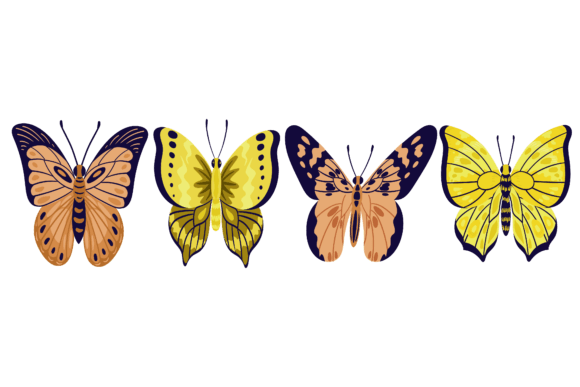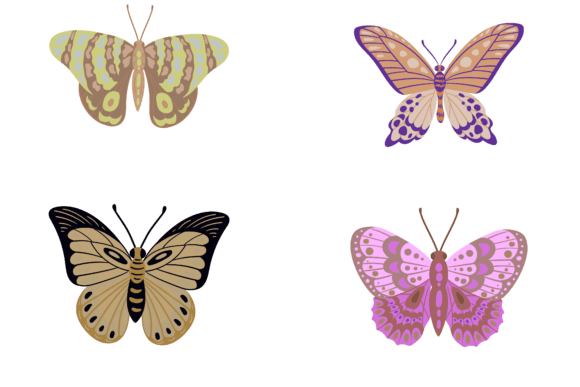
Beauty Butterfly Animal Design
First Impressions: Whimsy with Quiet Confidence
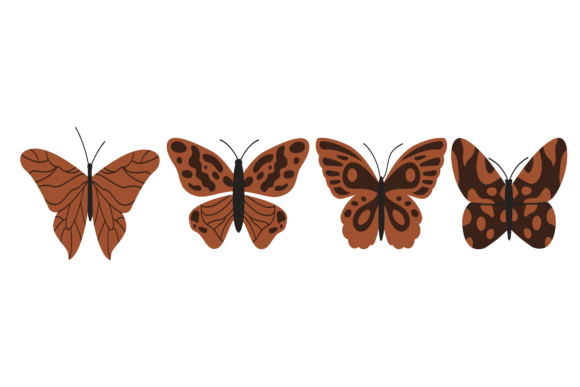
When I opened the Beauty Butterfly Animal Design, what struck me wasn’t just the charm—but its quiet balance. It’s not overly busy, yet it holds attention. The butterfly merges seamlessly with animal-like features—softly rounded wings that suggest fur or feather texture, delicate antennae curling like fine ink lines, and a gentle, centered posture. At 1920px × 1280px canvas size, it reads clearly on screen, but more importantly, it *feels* scalable. As an embroidery designer who’s stitched hundreds of motifs for client projects, I immediately pictured it on a linen tea towel—elegant but approachable—or as a subtle chest emblem on a baby onesie. It leans into illustration warmth without sacrificing clean vector integrity, which matters when converting to stitch.
Where This Design Truly Shines in Real Projects
I tested the Beauty Butterfly Animal Design concept across three real scenarios: a custom embroidered tote bag for a local botanical boutique, a set of nursery pillow covers for a handmade shop owner, and a limited-run batch of organic cotton sweatshirts for an Etsy seller launching a spring collection. In each case, the design held up—not because it’s flashy, but because it’s *considered*. Its moderate detail level avoids overloading small hoops (think 4”–5”), while its open negative space lets satin stitch breathe and fill stitch settle cleanly. On the tote bag, it stitched crisply on medium-weight canvas with tear-away stabilizer—no puckering, no thread breaks. On the sweatshirt, I used cut-away + topping for stability, and the wings retained soft definition without looking stiff or plasticky. For the nursery pillows? It translated beautifully into a low-density applique design—gentle, safe, and unmistakably handmade.
What Makes It Work for Small Business & Craft Use
- Brand consistency: It fits naturally into earthy, feminine, or nature-forward aesthetics—ideal for Etsy sellers building cohesive collections around themes like “garden magic” or “gentle wildlife.”
- Giftability: Customers respond well to its quiet sophistication—especially on personalized baby items or holiday gifts where sentiment outweighs trend-chasing.
- Commercial flexibility: As a Graphics asset, it adapts easily to digital mockups, packaging labels, or even printable hang tags—extending value beyond embroidery alone.
- Stitch clarity: No micro-details that vanish under thread. Antennae are bold enough to read at 3” width; wing edges have clean anchor points for smooth satin stitch transitions.
Where to Proceed Thoughtfully
This isn’t a one-size-fits-all motif—and that’s a strength, not a limitation. Use caution on highly textured fabrics (like bouclé or heavy terry) where fine wing contours may blur. On dark fabric, test contrast early: the JPG preview helps, but actual thread color choice (e.g., heather gray vs. charcoal) changes perception dramatically. Avoid cramming it into tiny hoops (<3”)—the central animal-butterfly fusion relies on proportion, and shrinking too far sacrifices its quiet personality. Also, skip stretchy knits unless you’re using high-quality cut-away + topping and reducing stitch density manually—the design wasn’t built for aggressive stretch recovery.
Design Notes Every Embroiderer Should Check Before Stitching
- Run a test stitch on scrap fabric matching your final project’s weight and weave.
- Review stitch density in your embroidery software—some vector-to-stitch conversions add unnecessary fill layers.
- Confirm hoop size compatibility: this design scales best between 3.5”–6”, depending on fabric and stabilizer choice.
- Inspect small details (like wing vein lines or inner eye shapes) in your editing software—they may need slight thickening for reliable satin stitch execution.
- Try black-and-white mockups first—this reveals contrast issues invisible in color previews.
- Compare how it reads on light versus dark backgrounds. The AI and EPS files give full edit control; the SVG works well for craft-cutting hybrids.
- Always verify licensing terms before selling finished products or bundling the digital embroidery file—this is a Graphics/Illustrations asset, not pre-converted machine embroidery.
Why It Builds Trust—Not Just Texture
In my decade of reviewing embroidery assets for makers, I’ve learned customers don’t just buy stitches—they buy confidence. A design like Beauty Butterfly Animal Design signals care: in line quality, spacing, and visual rhythm. When stitched onto a kitchen towel sold at a craft fair, it doesn’t scream “mass-produced”—it whispers “made with intention.” That impression elevates perceived value, supports premium pricing, and encourages repeat buyers. For Etsy sellers, that translates directly to better conversion rates on listings with clean, consistent visuals. For apparel decorators, it adds quiet distinction to custom orders—no logo needed, just thoughtful placement and solid execution.
A Final Thought for Makers
If you’re choosing Beauty Butterfly Animal Design for a client gift, boutique product, or personal project, remember: its power lies in restraint. It won’t dominate a garment—but it will linger in memory. Use it where softness matters more than statement, where craftsmanship shines through clarity—not clutter. And whether you’re stitching it on a baby cap, embroidering it into a holiday pillow cover, or adapting it for a printable mockup, let the design’s natural grace guide your choices—not the other way around.