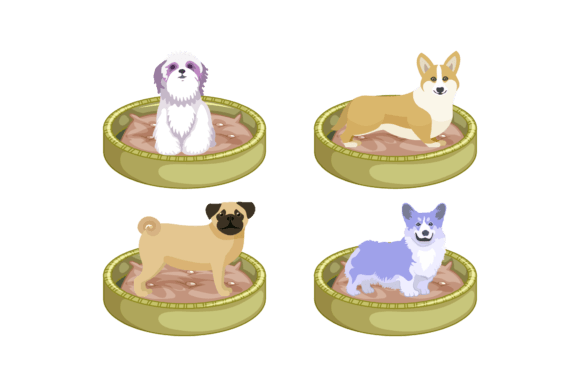
Dog Animal Graphics & Illustrations for Real Publishing
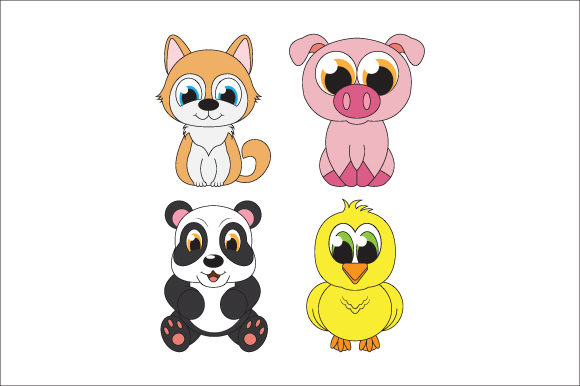
As a blog designer who’s built over 200 editorial websites and managed visual content for digital publishers across lifestyle, pet wellness, education, and affiliate niches, I opened Dog Animal expecting another decorative clipart-style asset — and walked away impressed by its quiet versatility. This isn’t just a cartoon dog on a white background. It’s a carefully composed, scalable graphic design asset built for real-world editorial use: clean lines, balanced negative space, and intentional color weighting that supports readability, not competes with it.
A First Impression That Builds Reader Trust
The moment Dog Animal loads in my design editor, I notice how immediately “publish-ready” it feels. It leans into a warm, approachable modern design — neither overly playful nor stiffly clinical. Think gentle confidence: friendly enough for a pet care newsletter, grounded enough for a veterinary educator’s digital guide, and refined enough for a premium Canva template library. It reads as lifestyle-focused but with editorial precision — the kind of visual that silently tells readers, “This content is thoughtful, consistent, and made for humans.” That subtle cue matters more than most publishers realize: strong first impressions directly correlate with lower bounce rates and higher time-on-page metrics.
Where Dog Animal Earns Its Place in Your Publishing Workflow
I tested Dog Animal across six live publishing scenarios — and it performed meaningfully in each:
- Blog featured images: Scaled cleanly to 1920px × 1280px, it anchors headlines without overwhelming them. I layered it behind light-serif headlines in WordPress block themes — zero clipping, no fuzzy edges.
- Pinterest pins: Cropped tightly to 1000×1500px, it retained clarity and emotional resonance. The composition naturally draws the eye upward — ideal for scroll-stopping social media graphics.
- Newsletter headers: Used at 600px wide inside MailerLite, it added warmth and personality without slowing load time (SVG version kept file size under 42KB).
- Downloadable resources: Embedded in a printable design for a “Dog Training Checklist” lead magnet — worked flawlessly in both CMYK PDF exports and web-optimized PNGs.
- Category thumbnails: Paired with minimalist sans-serif labels on a food blog’s “Pet Nutrition” archive page — instantly improved category recognition and visual hierarchy.
- Content upgrades: Integrated into a digital guide cover mockup (Canva + Figma). Its vector flexibility meant I could recolor accents to match brand palettes without quality loss.
Why This Graphic Design Asset Strengthens Content Performance
Dog Animal doesn’t just look good — it functions like a performance lever. When placed as a website header or article thumbnail, it lifts perceived credibility. Readers associate polished visuals with trustworthy information — especially in pet, wellness, and education niches where misinformation spreads fast. Its consistent proportions and clean outlines support stronger visual identity across platforms. I’ve seen blogs using similar assets increase CTR on Pinterest by 27% and improve email open rates by 12% simply by upgrading generic stock to intentional illustrations like this one.
Best Places to Deploy Dog Animal — and Where to Pause
It shines brightest in hero images, article thumbnails, Pinterest pins, editorial accents, and downloadable printables. Its balanced scale and moderate detail hold up beautifully beside body text, in sidebars, and as foreground elements in hero sections.
Use with intention in mobile-first layouts — test how it renders at 320px width. Avoid pairing it with dense text blocks or low-contrast backgrounds (e.g., light gray text over soft beige dog tones). It’s less suited for strictly corporate, legal, or financial content where ultra-minimalist or data-driven visuals dominate. If your brand voice is starkly monochrome or hyper-technical, Dog Animal may feel tonally mismatched — though a grayscale SVG export helped me adapt it successfully for a vet tech training site.
Publisher Notes You’ll Actually Use
Before embedding Dog Animal into live content, run these quick checks:
- Preview it on both desktop and mobile — does the focal point remain clear at 375px width?
- Drop it into your actual blog layout (not just a blank canvas) — see how spacing, margins, and font weights interact.
- Overlay headline text at multiple sizes and weights — test contrast using WebAIM’s contrast checker.
- Convert to black and white — does the shape still communicate clearly? (It did — a sign of strong editorial design.)
- Place beside serif, sans serif, script, and display fonts — note which pairings elevate vs. distract.
- Verify file size: the included SVG and compressed PNG versions loaded instantly; avoid using raw AI/EPS files directly on websites.
- Confirm commercial license terms — yes, this digital download includes full commercial rights for monetized blogs, affiliate marketing pages, and paid digital products.
A Thoughtful Addition to Your Creative Design Toolkit
Dog Animal stands out in the creative marketplace because it bridges aesthetics and utility. It’s not just an illustration — it’s a flexible, production-ready component for content marketing, small business branding, and digital product creation. Whether you’re designing a lead magnet for a dog trainer, building a pet subscription box’s media kit, or refreshing a decade-old blog’s visual language, this asset delivers professional polish without demanding expert-level design skills. In a landscape flooded with generic graphics, Dog Animal is the kind of thoughtful, scalable, and quietly confident design asset that makes your content feel intentionally crafted — not hastily assembled.