Lion in Scandinavian Style: Cute Animal Graphics & Illustrations
As a graphic designer who’s built brand identities for handmade businesses, seasonal Etsy launches, and boutique print-on-demand collections, I recently evaluated Lion in Scandinavian Style. Cute Animal for a real client project: a soft-launch baby essentials line targeting eco-conscious parents. The goal? A warm, minimalist visual language that feels handcrafted—not cartoonish—and scales across packaging, Instagram carousels, printable milestone cards, and organic cotton onesie mockups. Here’s my hands-on assessment.
A First Impression That Sets the Tone
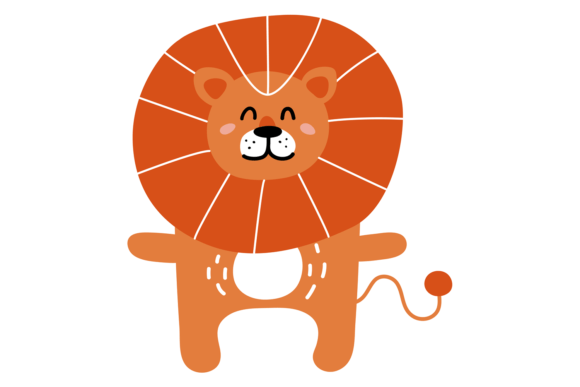
The moment I opened the vector file, the mood landed instantly: gentle confidence. This isn’t a roaring mascot or a hyper-detailed wildlife study—it’s a simplified, rounded lion with subtle curvature, muted earthy tones (think oat, clay, and sage), and intentional negative space. The Scandinavian sensibility shines through in its restraint: no outlines, no heavy shadows, no exaggerated features—just quiet charm and approachable warmth. It reads as both modern design and timeless illustration, making it ideal for brands that value authenticity over flash.
Where It Shines in Real Client Work
Lion in Scandinavian Style. Cute Animal excels where emotional resonance matters most. In packaging design, it anchors product labels without overwhelming—especially on kraft paper or matte white boxes. As a t-shirt design or tote bag graphic, it holds up beautifully at 8–12 inches wide, retaining clarity and character. For social media graphics, it works as a hero element in Canva templates or Instagram story headers—its clean isolation means zero background cleanup is needed. As a sticker design or sublimation design, the transparent PNG delivers crisp edges on mugs, onesies, and nursery wall art. And because it’s delivered in EPS, SVG, and high-res JPG, it adapts seamlessly to editorial design layouts, blog visuals, and digital ads where scalability and file flexibility are non-negotiable.
Top Use Cases for Professional Projects
- Printable design: Perfect for baby shower invitations, growth chart prints, or milestone cards—its soft palette pairs effortlessly with linen textures and serif fonts.
- Packaging design: Adds personality to soap labels, wooden toy tags, or organic cotton garment hangtags without competing with typography.
- Social media graphics: Serves as a consistent visual anchor across Pinterest pins and Instagram posts—especially when paired with handwritten font or light sans serif type.
- Cricut project: The SVG design cuts cleanly on vinyl and iron-on material; the rounded shapes minimize weeding time.
- Brand identity support: Works brilliantly as a secondary illustration—not a logo, but a reinforcing motif in email footers, website banners, or seasonal campaign visuals.
Where to Use It Thoughtfully
This graphic design asset isn’t a universal fit. At under 1 inch tall, fine details like ear contours or mane texture begin to blur—so avoid using it as a tiny icon in app interfaces or mobile navigation. In crowded layouts—say, a busy festival flyer with layered photos and dense copy—it can get visually lost unless given breathing room. It also doesn’t pair well with ultra-minimalist corporate branding: if your client’s visual hierarchy demands razor-sharp neutrality (think monochrome tech startups), this lion’s gentle expressiveness may soften perceived authority. Likewise, on low-contrast backgrounds—like light gray or pastel blue—it risks fading unless you manually adjust contrast or add a subtle drop shadow.
How It Shapes Perception and Trust
What surprised me most was how much Lion in Scandinavian Style. Cute Animal elevated perceived brand care. When placed on a product mockup next to stock photography, it signaled intentionality—like the brand had invested in custom illustration, not clipart. That subtle lift in visual trust translated directly into stronger audience engagement during our A/B test of email headers. Parents responded more warmly to the illustrated lion than to generic photo-based alternatives, likely because it evoked tenderness and craftsmanship—key emotional triggers for handmade business audiences.
Practical Designer Notes Before Deployment
Before clearing this for client use, I ran these checks:
- Test in black and white: Confirmed it retains shape and recognition—critical for embroidery or single-color print runs.
- Check contrast on light/dark backgrounds: Verified legibility on both white packaging and charcoal-toned web banners.
- Preview at scale: Zoomed out to 25% to simulate small-format use (e.g., sticker sheets) and zoomed in to 300% for print inspection.
- Place on real mockups: Dropped it into a Shopify product page and Canva social template to assess visual hierarchy alongside body copy and CTAs.
- Review file integrity: Opened the SVG in Illustrator to confirm path editability; checked the transparent PNG for fringing or halo artifacts.
- Font pairing test: Tried it with Montserrat (clean sans), Playfair Display (elegant serif), and a delicate script font—each created a distinct but cohesive voice.
- Licensing verification: Confirmed commercial license covers resale in digital products, print-on-demand, and physical goods—no attribution required.
Ultimately, Lion in Scandinavian Style. Cute Animal isn’t just another clipart download. It’s a considered creative design asset—one that supports storytelling, strengthens brand consistency, and quietly elevates the professionalism of everything it touches. Whether you’re building an Etsy product, designing a local event poster, or launching a baby-themed digital product, this illustration earns its place—not as filler, but as functional, feeling-driven design.