Wall Art, Cute Deer Animal Clip Art
A Designer’s First Look: Whimsy with Purpose
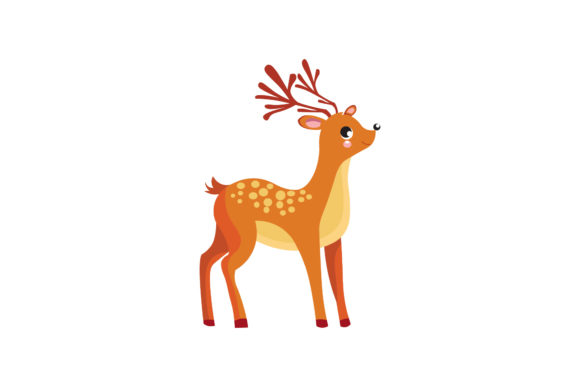
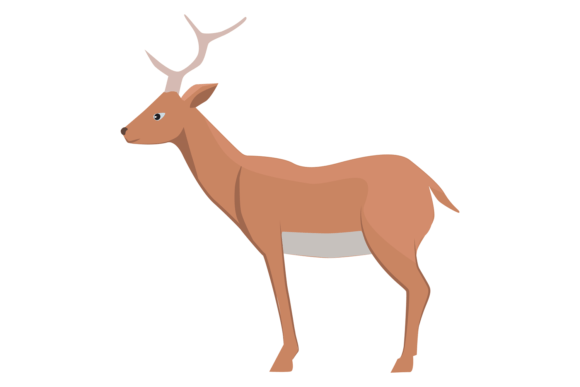
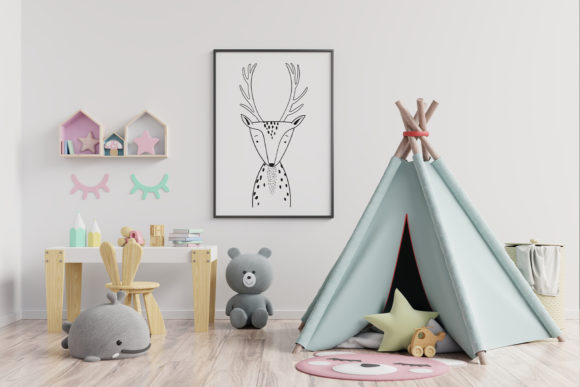
When I opened Wall Art,Cute Deer Animal Clip Art, what struck me wasn’t just the charm—it was the intention. This isn’t a generic deer silhouette or an over-rendered cartoon. It’s a hand-drawn doodle-style illustration: soft lines, gentle curves, subtle asymmetry in the antlers, and that quiet, curious expression you’d sketch in a notebook between client calls. As an embroidery designer who’s stitched hundreds of animal motifs—from bold foxes to delicate bunnies—I immediately sensed its potential for warmth and approachability. It reads as handmade before it’s even stitched.
Real-World Test: A Custom Embroidered Baby Pillow Cover
Last week, I used Wall Art,Cute Deer Animal Clip Art for a custom baby pillow cover order—a request for “soft, nature-inspired nursery decor, no sharp edges, machine washable.” I converted the clip art into a machine embroidery design, keeping the outline clean and simplifying interior details to avoid overcrowding at 4.5 inches wide. On cotton twill with tear-away + cutaway stabilizer, the result held up beautifully: the antlers read clearly in satin stitch, the eye stayed defined without filling, and the overall shape gave breathing room around the stitching. Parents loved how gentle it felt—no visual noise, no competing elements. That’s the strength of this piece: it doesn’t shout. It invites.
Where It Shines (and Where It Needs Thought)
Wall Art,Cute Deer Animal Clip Art works exceptionally well for:
- Custom apparel: Sweatshirt embroidery on midweight fleece—especially when placed left-chest or centered on the back. The clean silhouette avoids bulk and reads well even at smaller scales.
- Embroidered patches: Its balanced proportions and open negative space translate cleanly into sew-on or iron-on applique designs.
- Nursery and holiday embroidery: Think tea towels for baby showers, linen aprons for farmhouse kitchens, or personalized Christmas stockings. Its doodle aesthetic feels intentional—not mass-produced.
- Etsy listings and small shop products: As a digital embroidery file, it adds instant charm to printable mockups. Customers respond to its quiet confidence—it says “handmade with care,” not “designed for volume.”
But here’s where practical judgment kicks in. Because it’s hand-drawn and detail-forward in its line work, Wall Art,Cute Deer Animal Clip Art needs thoughtful adaptation for:
- Stretchy fabrics (like jersey or ribbed knits): Always test with appropriate stabilizer—lightweight cutaway prevents puckering near the antler tips and jawline.
- Dark or textured fabrics: The fine inner lines may disappear unless you increase contrast with brighter thread colors or simplify them in your embroidery file.
- Curved surfaces (caps, beanies): Avoid placing the full design across the crown. Instead, use just the head profile—scaled down and repositioned—to maintain legibility.
- Tiny hoop sizes (<5”): Trim non-essential interior marks before digitizing. That little leaf near the ear? Adorable in print—but risky at 2.2 inches tall on a toddler’s onesie.
Design Integrity Meets Commercial Reality
As someone who reviews embroidery files for craft business clients, I pay close attention to how a design affects perceived value. Wall Art,Cute Deer Animal Clip Art elevates a simple tote bag from “cute” to “thoughtfully curated.” When stitched on natural linen with ecru thread, it reads as boutique-quality—not generic clip art. That matters for Etsy sellers pricing handmade product above $35, or small shops building brand consistency around organic, earthy visuals.
It also builds trust. Buyers notice when a deer motif has uneven antlers or stiff posture—it feels accidental. This one has rhythm: the tilt of the head, the curve of the neck, the slight lift of one hoof. That subtlety signals craftsmanship, even before stitching begins. For personalized gifts—say, a monogrammed pillow with this deer beside a child’s name—it adds emotional resonance without clutter.
Practical Notes Every Embroidery Designer Should Check
Before digitizing or stitching Wall Art,Cute Deer Animal Clip Art, do these six things:
- Test on scrap fabric first—especially if using textured weaves or blends. Note how the antler tips and eye detail hold up after washing.
- Review stitch density. Hand-drawn lines often translate to higher fill stitch counts. If your file feels heavy, reduce density slightly without losing shape integrity.
- Confirm hoop size compatibility. Does your intended placement fit comfortably within standard 4x4 or 5x7 hoops—or will you need to split the design?
- Inspect small details in black-and-white mockups. Will the inner ear line vanish on navy fabric? Does the smile read at 3 inches wide?
- Compare light/dark background previews. This design thrives on contrast—so choose thread colors deliberately, not by default.
- Verify licensing. Since it’s listed under Illustrations and Graphics—and marketed for Wall Art, Pillows, T-shirt designs, coasters, greeting decorations, phone cases—the download likely permits commercial use of finished products. But always double-check the license terms before selling embroidered items or reselling the digital embroidery file.
Final Thought: Not Just a Deer—A Design Decision
Wall Art,Cute Deer Animal Clip Art isn’t filler. It’s a deliberate visual choice—one that quietly supports storytelling in handmade product, strengthens brand voice in small shop merch, and deepens connection in personalized gifts. Used thoughtfully, it stitches more than an image: it stitches intention. And in today’s market, that’s the detail customers remember.