Woodpecker Bird Graphics: Forest Illustrations for Local Brands
As a brand designer who’s developed visual identities for over 40 local businesses—from artisanal candle studios and organic tea brands to children’s book publishers and seasonal farmers’ market vendors—I recently evaluated Woodpecker Bird. Forest Wild Animal. Nat for a real client project: a small-batch maple syrup brand launching its first branded gift boxes. My goal wasn’t just to “use” the asset—it was to assess whether it could strengthen their small business branding across labels, packaging design, social media graphics, and in-store signage.
A Warm, Earthy First Impression—Not Just Clipart
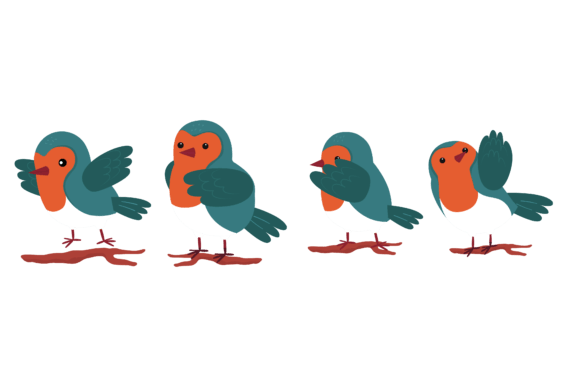
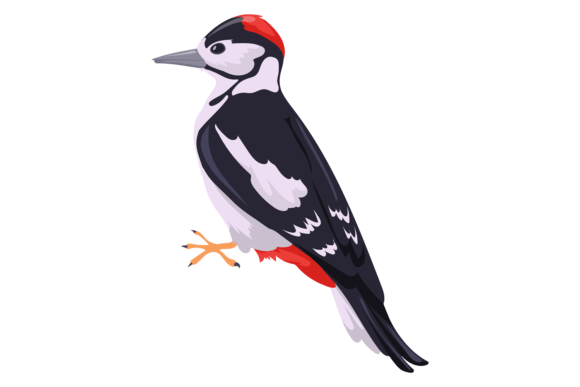
Right away, Woodpecker Bird. Forest Wild Animal. Nat feels grounded—not cartoonish, not overly technical, and definitely not generic clipart. It carries quiet confidence: slightly rustic but refined, organic without being messy, detailed enough to feel intentional but clean enough to scale. The pose is alert yet unhurried; the beak has subtle texture, the feathers suggest movement, and the eye holds gentle focus. This isn’t a mascot screaming for attention—it’s a nature symbol that invites pause. For local businesses rooted in authenticity—think handmade soap makers, forest-foraged skincare lines, or family-run nurseries—it supports a brand personality that’s organic, thoughtful, and quietly confident.
Where It Earns Its Place in Real Business Design
In practice, Woodpecker Bird. Forest Wild Animal. Nat works hardest where local businesses need emotional resonance and visual cohesion:
- Product labels: Perfect as a secondary mark beside hand-lettered brand names—adds warmth without competing with legibility.
- Packaging accents: Works beautifully on kraft paper boxes, linen tea bags, or soy wax candle jars—especially when used as a debossed foil stamp or muted spot color.
- Hero graphics & seasonal campaigns: Ideal for autumn launches, “forest-to-table” food branding, or Earth Day promotions—its natural symbolism reads instantly.
- Thank-you cards & hang tags: Adds tactile charm to boutique retail experiences—especially when printed on textured cotton stock.
- Social media graphics: Scales cleanly for Instagram carousels and Pinterest pins; pairs well with earth-toned gradients or soft photo overlays.
- Printable inserts & product mockups: The transparent PNG and SVG versions integrate seamlessly into Canva templates or Adobe layouts—no awkward white boxes or fuzzy edges.
What It Builds—Beyond Decoration
This isn’t just another graphic design asset. Used intentionally, Woodpecker Bird. Forest Wild Animal. Nat contributes directly to measurable business outcomes:
- Stronger first impression on crowded shelves or digital feeds—its distinct silhouette stands out among generic leaf motifs or overused animal icons.
- Better product recognition, especially for repeat buyers: customers begin associating the woodpecker’s posture and line quality with your brand’s care and consistency.
- Clearer visual hierarchy on labels—when placed beside ingredient lists or certifications, it anchors the design without overwhelming critical text.
- More consistent brand identity across touchpoints: same vector file used on a sticker, website banner, and menu board ensures cohesion without redesign effort.
- Improved customer trust—hand-drawn authenticity (even in digital form) signals craftsmanship, which resonates deeply with buyers of local, handmade, and small-batch goods.
Where to Use It Thoughtfully—Not Everywhere
Like any strong illustration, Woodpecker Bird. Forest Wild Animal. Nat shines brightest when given breathing room. Avoid using it:
- In formal corporate branding—it lacks the austerity needed for law firms or financial services.
- On very small labels (under 0.75” height)—fine feather details may blur in print unless simplified first.
- In crowded packaging layouts where multiple icons, certifications, and legal text compete for space.
- Against low-contrast backgrounds (e.g., light gray on off-white)—test transparency carefully, especially with the PNG version.
- For luxury minimalist brands that rely on negative space and monochrome restraint—it adds warmth, yes, but also visual weight.
Practical Designer Notes You’ll Actually Use
Before committing to Woodpecker Bird. Forest Wild Animal. Nat in your next packaging design or logo design project, run these checks:
- Test it on a real product mockup—not just a screen preview. Print a label sample at actual size.
- Check black-and-white usage: does the silhouette hold up in monotone? Essential for cost-effective printing.
- Preview it beside your brand’s core typefaces—does it harmonize with serif, sans serif, script, and display fonts?
- Verify commercial license terms—especially if you’re a designer delivering assets to clients or selling physical products with this illustration embedded.
- Inspect the SVG: can you easily adjust stroke weight or simplify paths for small-scale applications?
- Compare it with competitor packaging—does it differentiate, or blend in?
- Confirm PNG transparency works cleanly over photos, gradients, and textured backgrounds.
Used with intention, Woodpecker Bird. Forest Wild Animal. Nat becomes more than an illustration—it’s a quiet ambassador for your local business. It tells customers: *We pay attention to detail. We value natural integrity. We’re part of something rooted.* That kind of resonance doesn’t come from clipart—it comes from choosing the right graphic design asset for your story, your shelf, and your people.