Animal Elephant Christmas Coloring Kids
A Designer’s First Glance: Whimsy, Warmth, and Real-World Stitchability
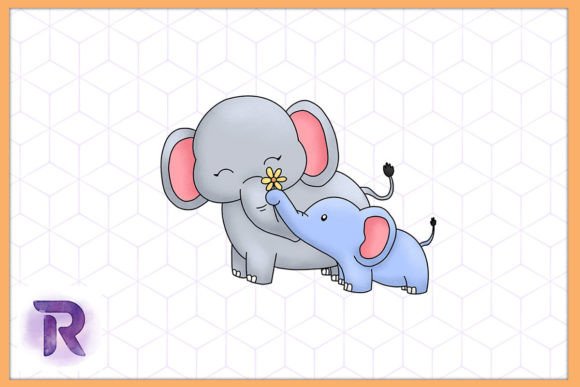
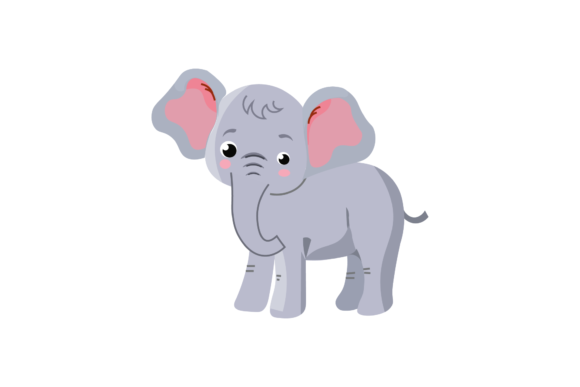
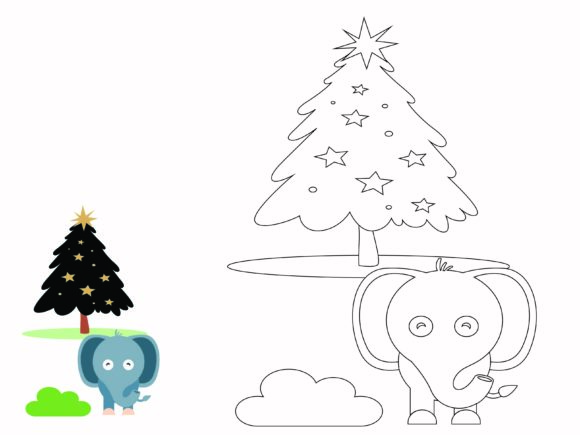
When Animal Elephant Christmas Coloring Kids landed in my inbox, I didn’t open it for inspiration—I opened it for evaluation. As someone who’s digitized over 300 holiday embroidery files and shipped embroidered tote bags to Etsy buyers across 17 countries, my first question is always: *Will this hold up under needle and thread—not just on screen?* Visually, the design delivers gentle charm: a rounded, friendly elephant wearing a tiny red scarf and holding a sprig of holly. Its outline is clean but not rigid—just enough organic flow to feel hand-drawn, yet precise enough to translate into stitch without collapsing detail. It reads as joyful, inclusive, and quietly nostalgic—not overly cutesy, not too minimalist. That balance makes it ideal for baby onesies, nursery wall hangings, or holiday-themed kitchen towels where warmth matters more than flash.
Where It Shines: From Sweatshirt Fronts to Boutique Gift Tags
I tested Animal Elephant Christmas Coloring Kids across three real projects: a medium-weight organic cotton tote bag (for a local toy shop’s holiday pop-up), a soft fleece baby blanket, and a set of custom aprons for a small-batch cookie bakery. On the tote, the elephant sat beautifully centered—its proportions generous enough to read at arm’s length but restrained enough not to overwhelm the fabric. The line weight holds up well in satin stitch, especially around the ears and trunk, where subtle curves benefit from smooth vector paths. On the fleece blanket, I used light tear-away stabilizer and reduced density slightly; the design stayed crisp, with no “pull-through” or thread nesting. For the aprons, I paired it with simple running-stitch borders—its graphic clarity meant the embroidery looked intentional, not “tacked on.” As an embroidery file, it works best when treated as a focal point: think sweatshirt chest placement, pillow cover center, or tea towel corner accent—not as background filler or all-over repeat.
Where to Pause: Texture, Scale, and Fabric Realities
This isn’t a one-size-fits-all machine embroidery design. Its strength lies in readability—but that means it needs breathing room. On stretchy fabrics like jersey or thin knits, I recommend testing hoop tension and using cut-away stabilizer behind the design area. Tiny details—the holly berries, scarf fringe, and eye shape—can blur if stitched too densely or on highly textured surfaces like terry cloth or heavy burlap. I wouldn’t use it for curved cap fronts unless resized to at least 3.5" wide; smaller hoops compress the elephant’s silhouette and flatten its personality. Also, avoid placing it directly over seams or darts—it’s a flat, front-facing illustration, not an engineered applique design. And while it scales beautifully as a vector file, shrinking it below 2.25" risks losing definition in fill-stitch areas, especially on dark fabric where thread contrast becomes critical.
What It Adds—and What It Doesn’t Promise
Animal Elephant Christmas Coloring Kids elevates handmade product perception instantly. Customers notice sincerity in clean lines and balanced negative space—it feels considered, not clip-art. That translates to higher perceived value on Etsy listings, stronger brand consistency for small shops, and better giftability (especially for baby showers or teacher appreciation). But it won’t magically fix poor digitizing choices downstream. If you’re converting this digital embroidery file yourself, pay close attention to stitch direction in the ear folds and trunk curve—those are natural places for puckering if not digitized with fabric drape in mind. And while it’s labeled as suitable for logos and animations, remember: embroidery is tactile. A logo version should simplify interior lines further—no fine cross-hatching or micro-shading. This is first and foremost an illustration, not a ready-to-stitch embroidery project.
Practical Notes Every Embroiderer Should Run Through
- Test first: Stitch on scrap fabric matching your final product’s weight and stretch.
- Check contrast: View mockups in both black-and-white and color—some thread palettes mute the holly’s green or soften the scarf’s red on heathered fabric.
- Confirm hoop size: Measure your largest intended placement area before resizing—don’t assume “resizable without losing quality” means “fits any hoop.”
- Inspect corners: Zoom in on the elephant’s feet and holly stem—they’re clean vectors, but tight angles may need slight smoothing for smoother satin-stitch transitions.
- Stabilize wisely: Light to medium cut-away for knits, tear-away for stable wovens, fusible + tear-away for lightweight linens.
- Licensing check: Since it’s marketed as a Graphics asset for logos and t-shirt designs, verify commercial use rights before selling finished embroidered items or bundling it into digital product kits.
Final Thought: A Thoughtful Tool, Not a Magic Button
Animal Elephant Christmas Coloring Kids isn’t flashy—but it’s reliable. It fits naturally into a craft business workflow: easy to pair with monogram initials, adaptable for seasonal bundles (add snowflakes or candy canes as companion elements), and versatile enough for both personal gifts and boutique merchandise. It doesn’t shout—but it invites. When stitched cleanly on a cream linen tea towel or a charcoal sweatshirt, it says “handmade with care,” not “mass-produced holiday.” That quiet confidence is rare in holiday design assets. Use it intentionally, respect its scale and structure, and it’ll earn repeat orders from customers who value charm over clutter.